October11
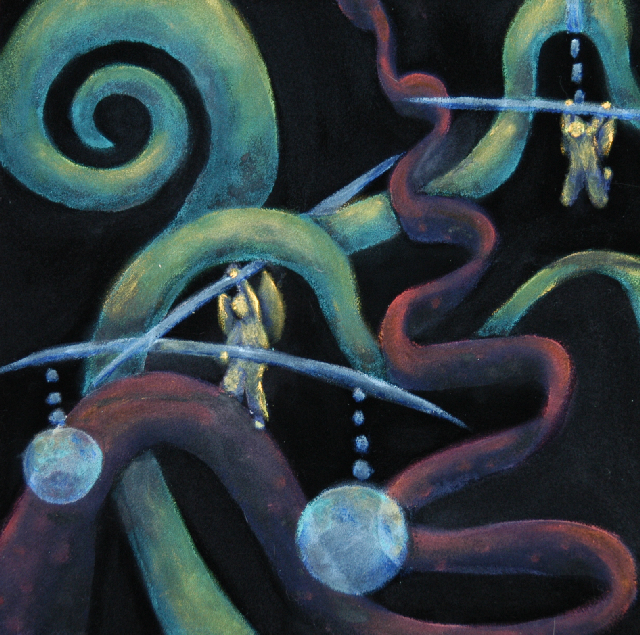
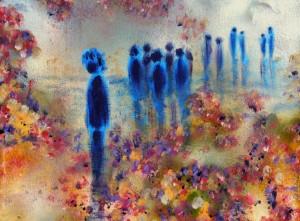 Outsiders… there’s those who ‘adhere’… the ‘in crowd’… there’s those who have always been on the peripheries, a satellite, never quite content with what it takes to be ‘the in crowd’,… too solitary, too vigilant, too sensing, too aware, too individual, too real, too deep, too caring, too daggy, too blunt, too raw, too far off the bell curve. Read the rest of this entry »
October11
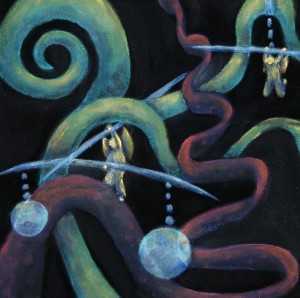 I’m about to start my second online autism series.
These are affordable interactive skype presentations which are open to people throughout Australia and beyond. All the strategies I talk about and demonstrate are low cost and no cost strategies. Read the rest of this entry »
October5
 “Love ya”… It’s a throw away line that anyone can perform. Anyone can say it but living it, that is different. If you use ‘I love you’ as a public advertisement, a facade, a flag wave, a smoke screen, a cop out, a throw away line, a crutch, a habit, a guilt trip, a filler, then saying it is not ‘better than nothing. In fact, even the silence may be more honest, more honoring, more respectful. Read the rest of this entry »
September27
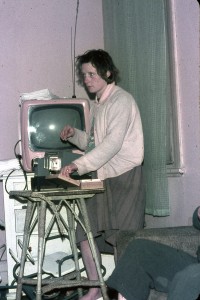
BEING THE CHILD OF A PARENT WITH RAD
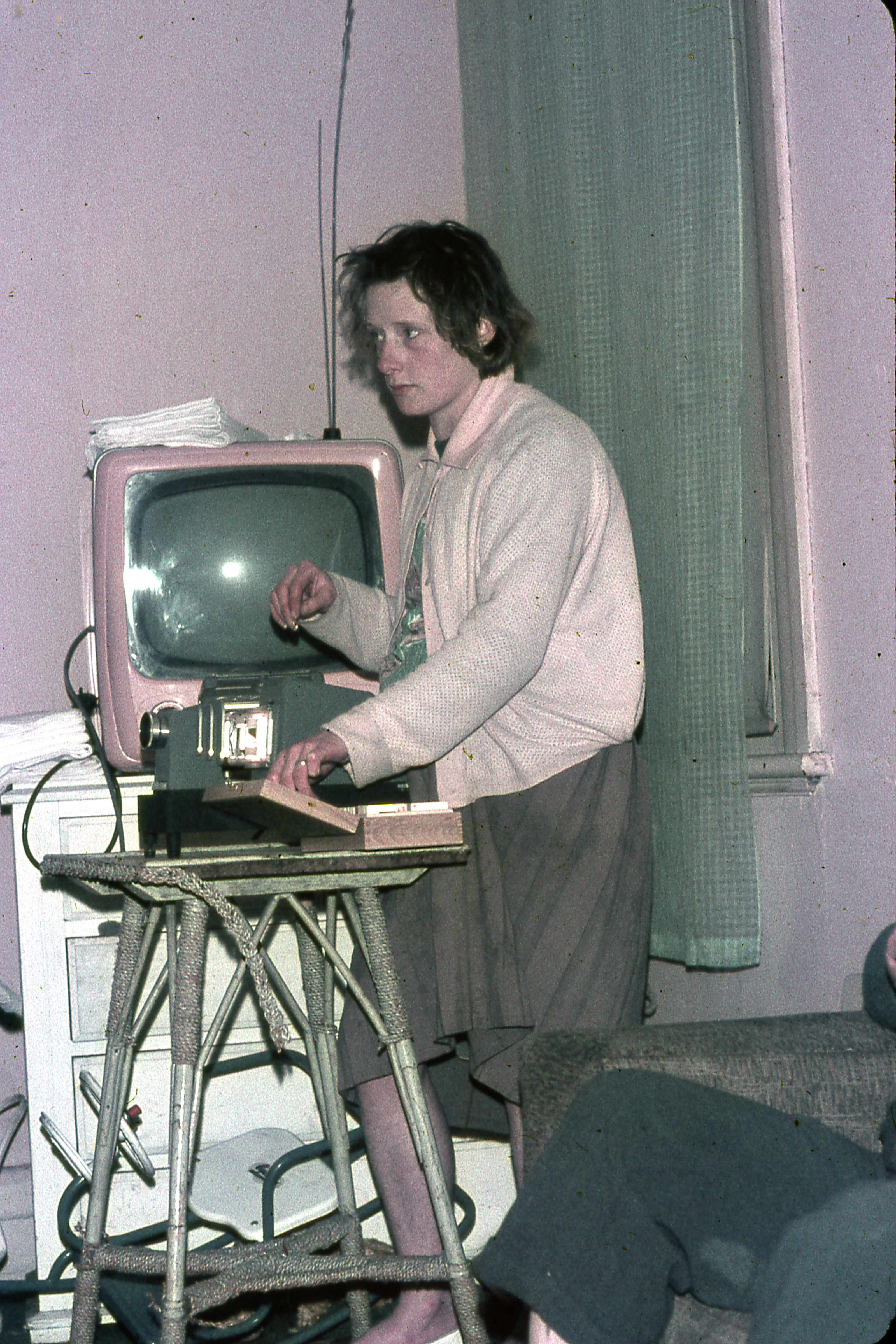
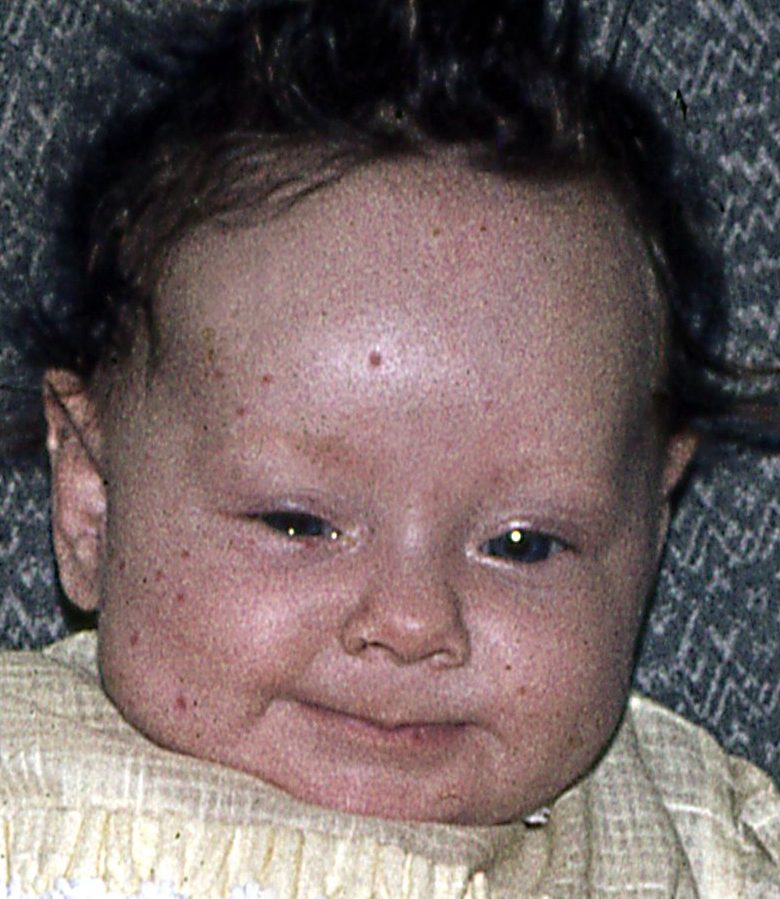
This is a picture of me in mid 1963 BEFORE I WAS BORN… I’m the lump, probably around 6-7 months cooked. My mother would have been 19 in this pic. I suspect my father’s brother, my uncle, took the pic as he had the slide and I’d never seen it until this week. Finally, a baby picture of me with my mother. Read the rest of this entry »
September27

Family by Donna Williams
Got a child, teen or adult on the autism spectrum who has had a birthday party where you bought everything, sent out invites, even waited hopefully for people to arrive, but nobody showed up? Here’s some alternatives:
Read the rest of this entry »
September18
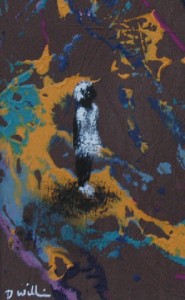
Absent friends by Donna Williams
Whether it is resentment, self pity, self hatred, envy, controlling, fixation, shame, sadness, fear, outrage, self consciousness, regret, grief, anxiety, self righteousness, grandiosity and bravado, you CAN give yourself permission to
LET IT GO Read the rest of this entry »
September18
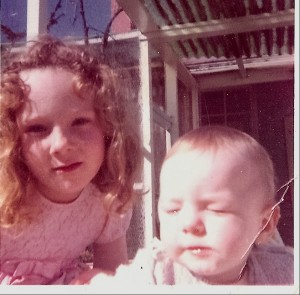
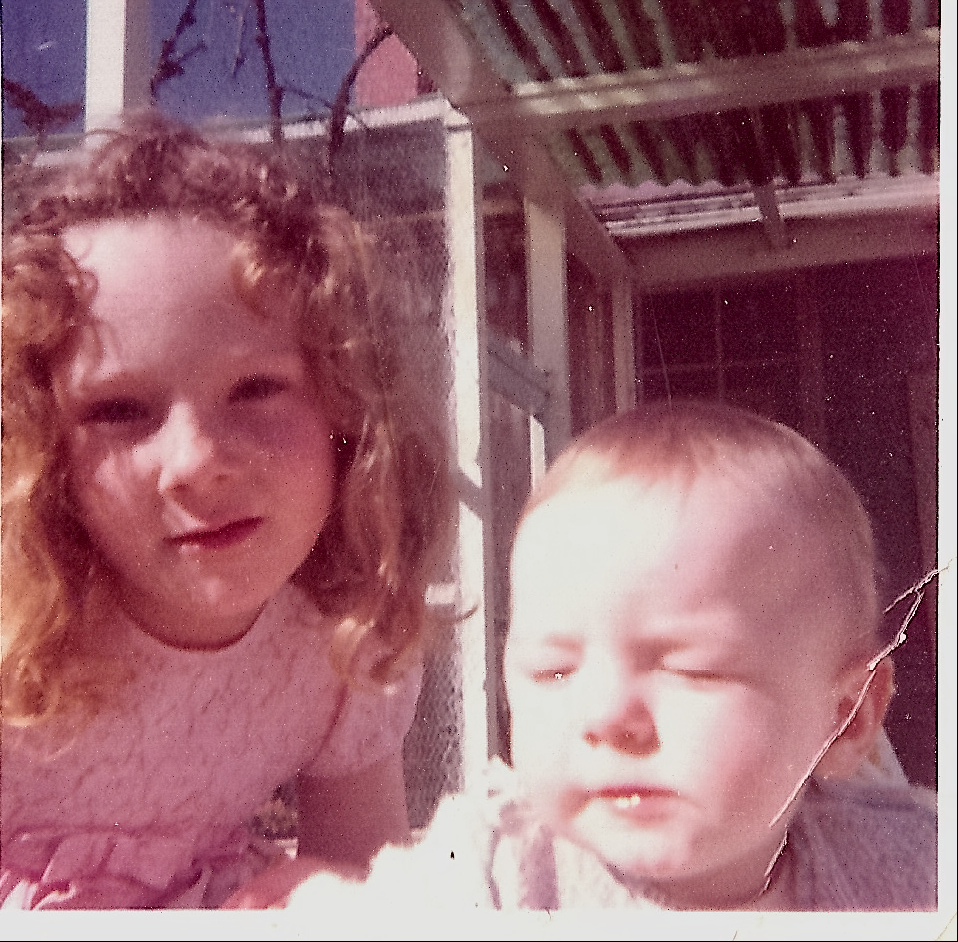
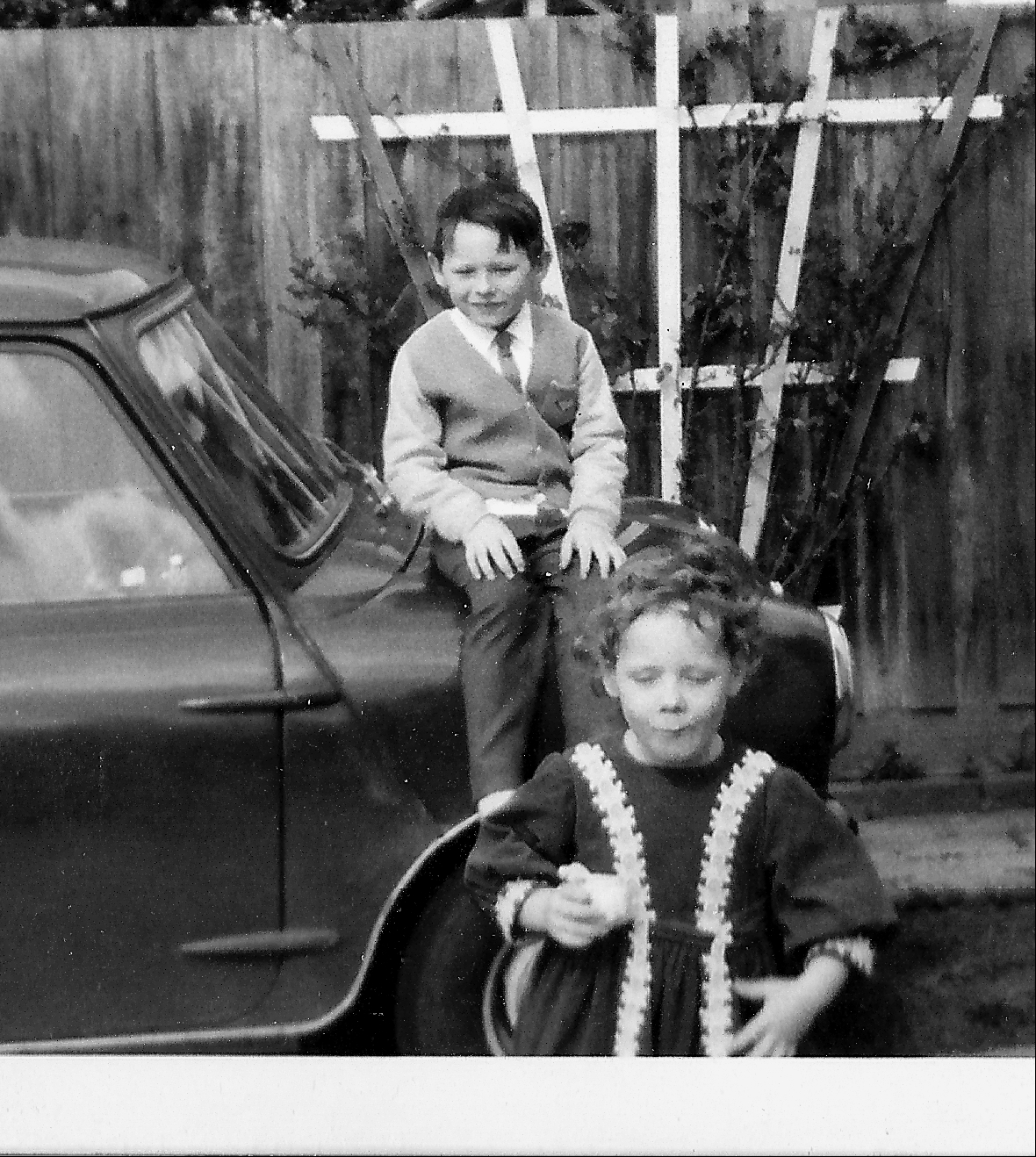
Donna Williams aged 6
My little brother
Johnny Duel adored me the way my paternal grandparents had… which I knew because they would all light up when they saw me, this was how I knew I brought joy to these people
Read the rest of this entry »
September18
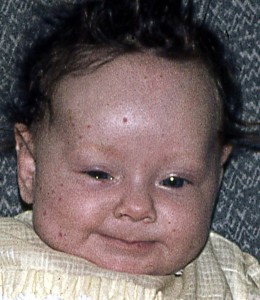 In a recent article on the Autism Vaccine Myth, I read a clear summary of what evidence to date has so far found about the causes of autism. And the result is that some of these causes are due to inherited and spontaneous mutations not previously seen in the parents or siblings, some of which do not manifest until early development. Read the rest of this entry »
August31
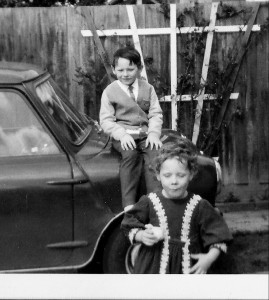 I have two brothers and my younger brother had a completely different relationship to my autism, seeing it as a wonderful part of his unusual sister. We reflect what is given us and I reflected back the equality and worth he afforded me. But, whilst I’m estranged from my older brother, likely always will be, at least I have been honored by the words he dared to share of who he once was. I have no contact with my older brother, Shane. We had different carers, different worlds, different histories, different neurologies. But in 1997 he wrote an autobiographical piece about his first 6 years and it will always remind me of the foundations of this older brother and who he could have been. Read the rest of this entry »
August2
 First published in 2009, Baloombawop, is an illustrated 51 page off the wall hilarious adventure story by Donna Williams told in Dr Seuss/Roald Dahl/ Lewis Carroll like rhyme from start to finish. It was written and performed as a children’s rock musical by Donna and The Aspinauts throughout 2009 and captivated both special needs and mainstream alike including ‘kids at heart’. Read the rest of this entry »
 Outsiders… there’s those who ‘adhere’… the ‘in crowd’… there’s those who have always been on the peripheries, a satellite, never quite content with what it takes to be ‘the in crowd’,… too solitary, too vigilant, too sensing, too aware, too individual, too real, too deep, too caring, too daggy, too blunt, too raw, too far off the bell curve. Read the rest of this entry »